
Luxury & Prestige

What visual style communicates luxury and prestige?

controlled paletteexpensive texturesnothing gratuitous
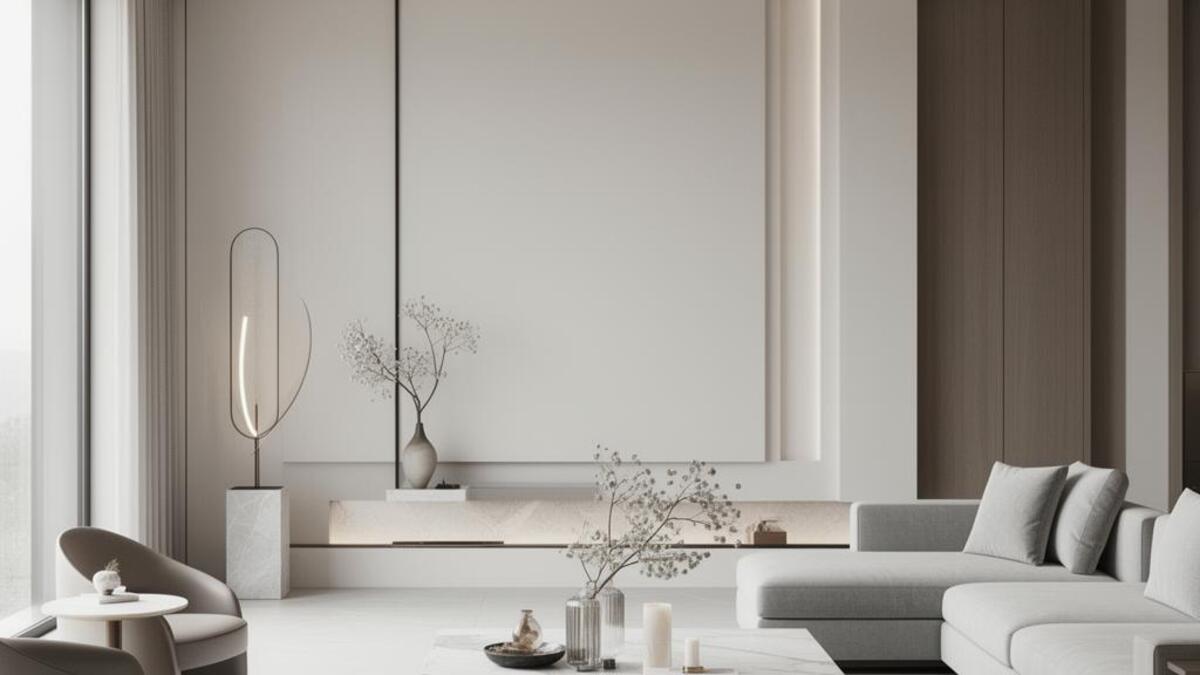
Luxury Minimal aesthetic — Luxury & Prestige visual reference
Luxury Minimal
Art Deco aesthetic — Luxury & Prestige visual reference
Art Deco
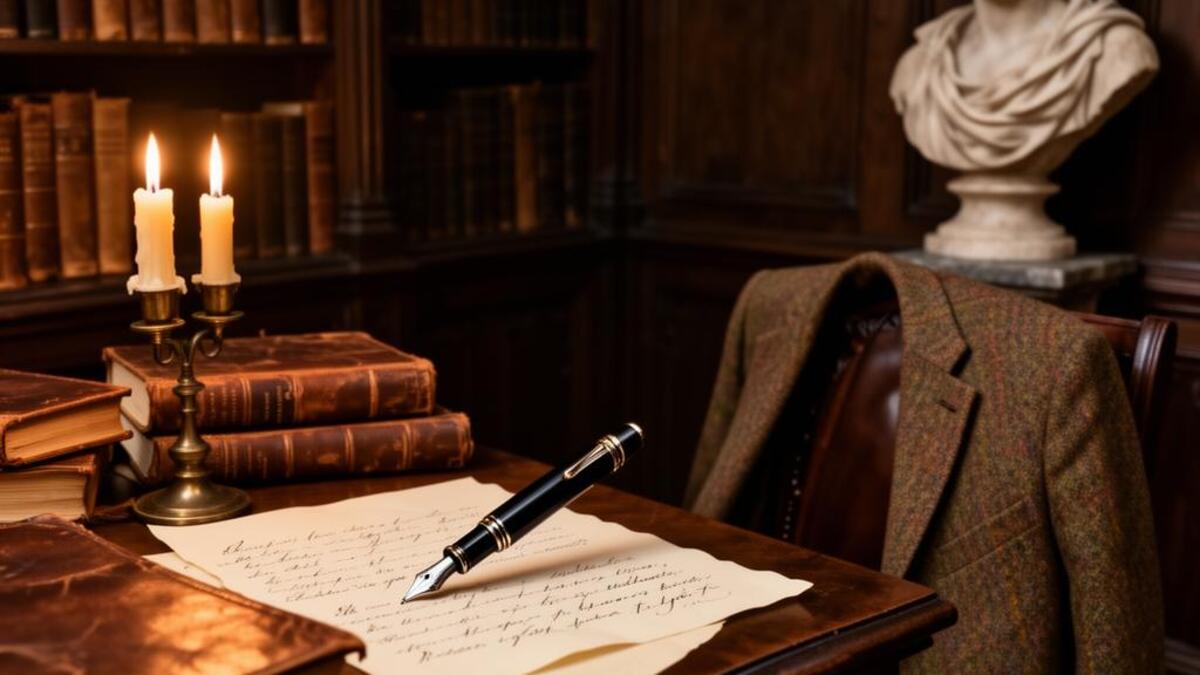
Dark Academia aesthetic — Luxury & Prestige visual reference
Dark Academia
Visual referencesLuxury & Prestige

Luxury is a language of omission. Every unnecessary element removed is a signal: we have the confidence to leave things out. The palette narrows. The typography slows down. Textures become tactile and earned. This is not minimalism for its own sake but restraint as an expression of sufficiency. True luxury visuals never announce themselves. They let the viewer arrive at the conclusion alone.

Visual styles that communicate this

When to use this visual mood

  • Premium product launches where price anchoring is part of the strategy
  • High-end hospitality: hotels, restaurants, private members clubs
  • Luxury fashion and fine jewelry campaigns
  • Premium spirits, wine, and specialty food
  • Wealth management, private banking, and financial services
  • Executive portraiture and corporate identity for C-suite positioning
  • Real estate at the top of the market

What to avoid

  • Bright saturated accent colors that read as promotional
  • Decorative flourishes that feel added rather than integral
  • Busy compositions that compete for attention
  • Typographic hierarchies that feel urgent or sales-driven
  • Stock imagery that shows obvious happiness

Industries and use cases

FashionHospitalitySpirits and wineJewelryAutomotiveReal estateFinancial services

Related moods

Mystery & IntrigueSophistication & Culture

About this mood

What visual style communicates luxury & prestige?
Luxury is a language of omission. Every unnecessary element removed is a signal: we have the confidence to leave things out. The palette narrows. The typography slows down. Textures become tactile and earned. This is not minimalism for its own sake but restraint as an expression of sufficiency. True luxury visuals never announce themselves. They let the viewer arrive at the conclusion alone. The visual styles that communicate luxury & prestige are: Luxury Minimal, Art Deco, Dark Academia, Wabi-Sabi, Bauhaus.
When should I use a luxury & prestige aesthetic?
Use a luxury & prestige visual aesthetic for: Premium product launches where price anchoring is part of the strategy; High-end hospitality: hotels, restaurants, private members clubs; Luxury fashion and fine jewelry campaigns; Premium spirits, wine, and specialty food; Wealth management, private banking, and financial services; Executive portraiture and corporate identity for C-suite positioning; Real estate at the top of the market.
What industries use luxury & prestige visual design?
Luxury & Prestige visual aesthetics work best in: Fashion, Hospitality, Spirits and wine, Jewelry, Automotive, Real estate, Financial services.
What should I avoid when designing for a luxury & prestige mood?
When designing for luxury & prestige, avoid: Bright saturated accent colors that read as promotional; Decorative flourishes that feel added rather than integral; Busy compositions that compete for attention; Typographic hierarchies that feel urgent or sales-driven; Stock imagery that shows obvious happiness.

Generate visuals in the luxury register

Elio reads your visual references and generates in your exact aesthetic. Drop in images that carry the right mood and it extracts the DNA automatically.

Join the waitlist