
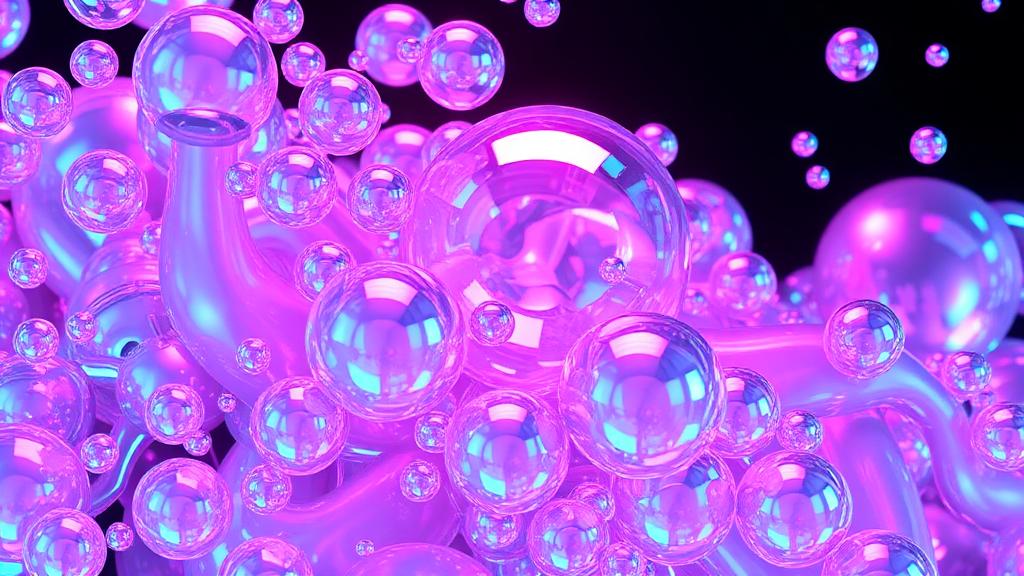
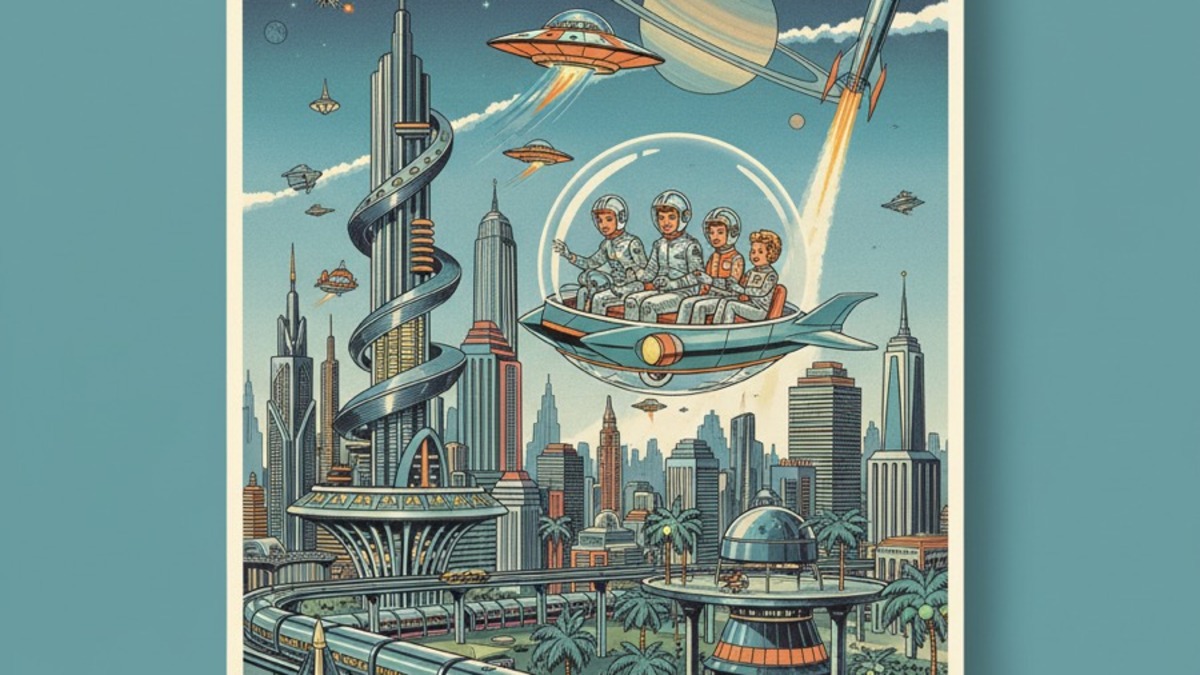
Generic nostalgia does not work. The images that land are the ones that point at something specific: a particular decade, a particular subculture, a particular object that carries disproportionate memory weight. The visual cues have to be precise enough that the audience recognizes them as their own. Faded tones and film grain are the surface. The real work is choosing the right era and the right objects within it. Nostalgia used well makes audiences feel seen, not marketed to.
Visual styles that communicate this
When to use this visual mood
- Brand anniversary campaigns and heritage relaunches
- Gen X and millennial targeting where shared cultural memory is the hook
- Food and beverage brands with a long history
- Decade-specific pop culture collaborations
- Music releases and artist branding rooted in a particular era
- Fashion collections drawing from archive references
- Seasonal or anniversary retail campaigns
What to avoid
- Era cues that are too literal and read as costume rather than aesthetic
- Mixing incompatible decades in one frame
- Using sepia tone or grain as a shortcut without real era-specific content
- Nostalgia for an era the target audience never experienced firsthand
- Anything that feels like pastiche rather than genuine reference
Industries and use cases
Food and beverageEntertainmentMusicFashionRetailAutomotive
Related moods
About this mood
Generate visuals in the nostalgia register
Elio reads your visual references and generates in your exact aesthetic. Drop in images that carry the right mood and it extracts the DNA automatically.
Join the waitlist