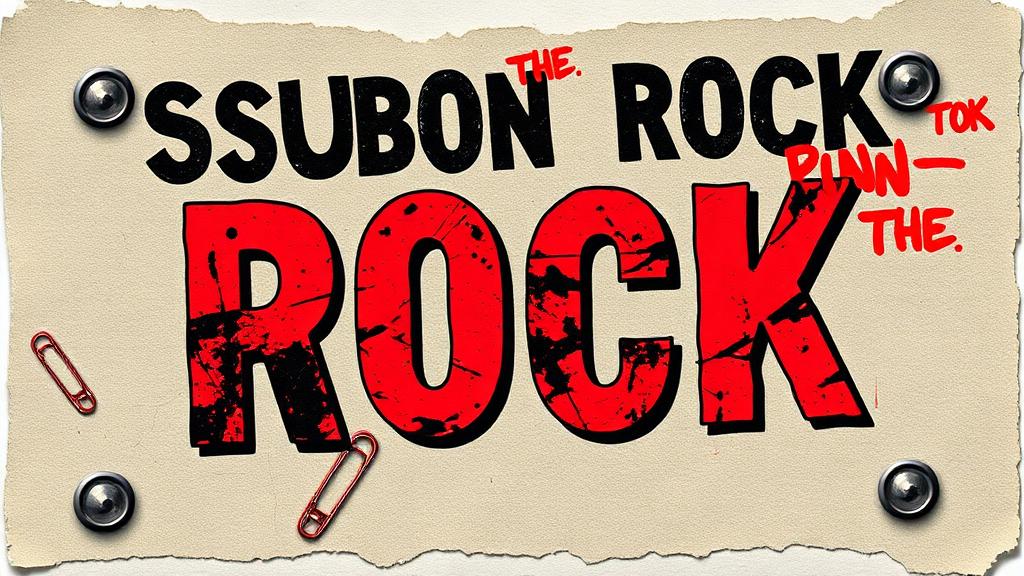
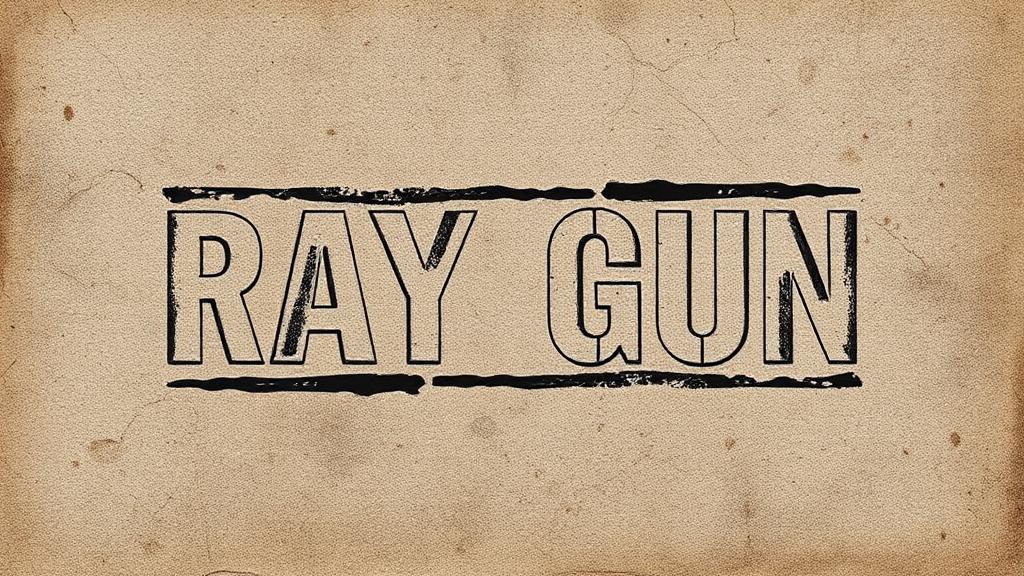
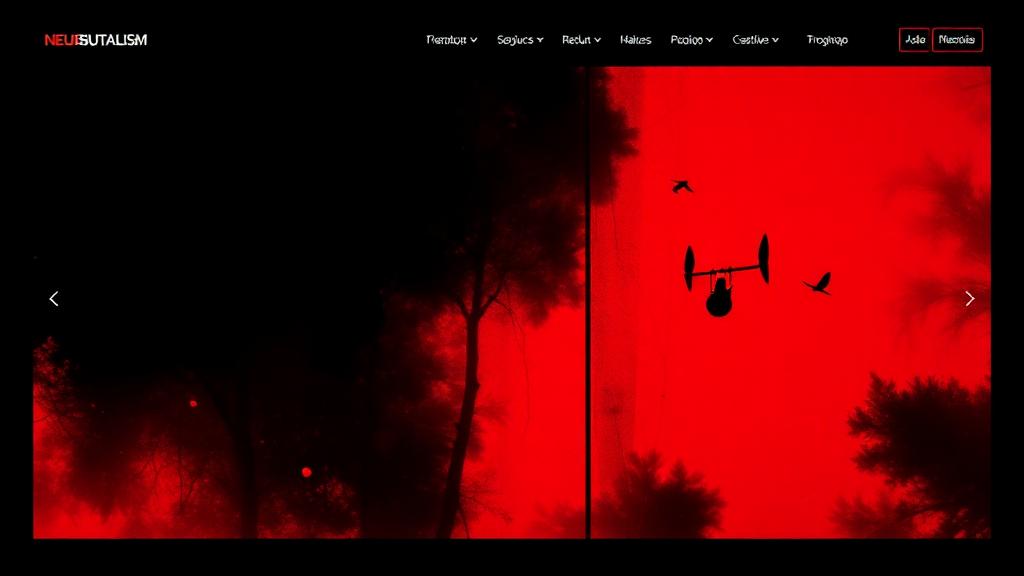
Rebellion has to be earned. Brands that reach for edge without credibility read as ironic at best, dishonest at worst. The visual codes of punk, grunge, and neubrutalism carry weight because they emerged from actual refusal: refusal to be smooth, refusal to be legible, refusal to be liked by everyone. When used authentically, these aesthetics signal independence from mainstream norms. When used as styling, they signal the opposite. The question is not can we use this aesthetic, but have we done anything to earn it.
Visual styles that communicate this
When to use this visual mood
- Youth-focused brand launches that need to signal genuine independence
- Streetwear and alternative fashion with authentic subculture roots
- Alternative and independent music across all genres
- Activist and social justice campaigns where confrontation is the point
- Challenger brand positioning against an established dominant player
- Anything that needs to visually reject corporate-safe norms
- Skate, surf, and action sport culture where anti-polish is the credibility signal
What to avoid
- Polished rebellion, luxury brands using punk codes reads as appropriation
- Rebellion as styling without any actual brand position to back it up
- Safe transgression: edgy enough to look interesting, safe enough to offend no one
- Using rough aesthetics on products where users need to trust the execution
- Overly designed roughness that is clearly art-directed and not raw
Industries and use cases
MusicStreetwear and fashionActivismSkate and action sportsIndependent mediaTech challengers
Related moods
About this mood
Generate visuals in the rebellion register
Elio reads your visual references and generates in your exact aesthetic. Drop in images that carry the right mood and it extracts the DNA automatically.
Join the waitlist