
Calm & Wellbeing

What visual style communicates calm and wellbeing?

muted palettebreathing roomgentle texture
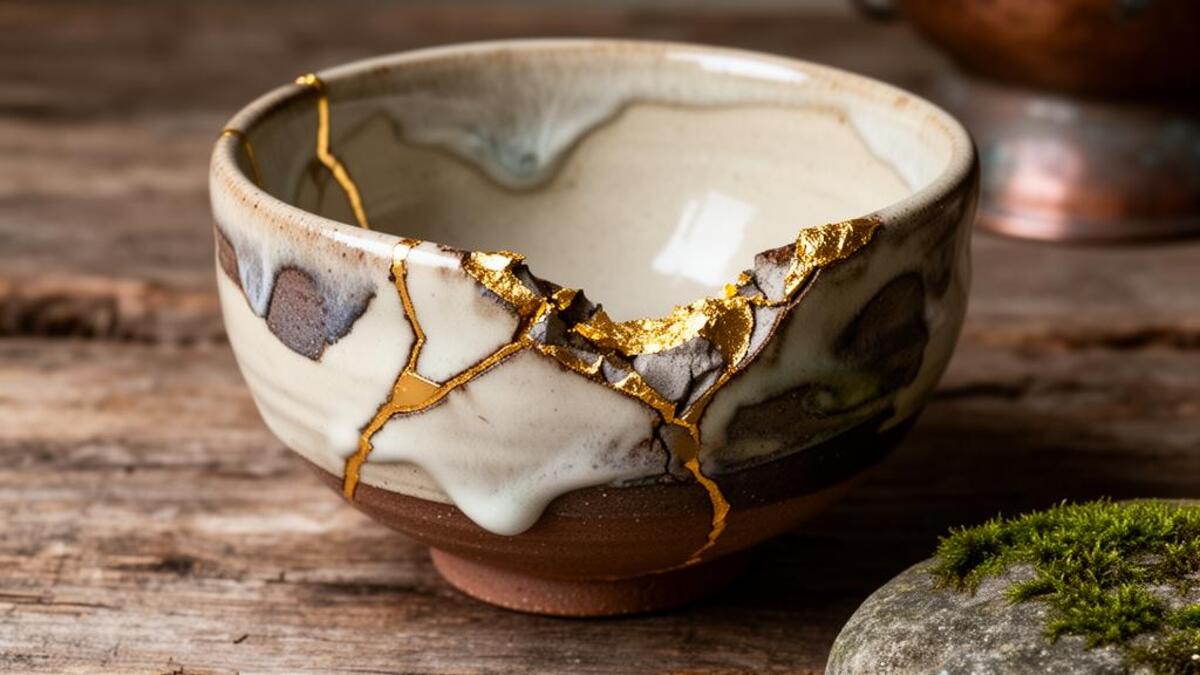
Wabi-Sabi aesthetic — Calm & Wellbeing visual reference
Wabi-Sabi
Cottagecore aesthetic — Calm & Wellbeing visual reference
Cottagecore
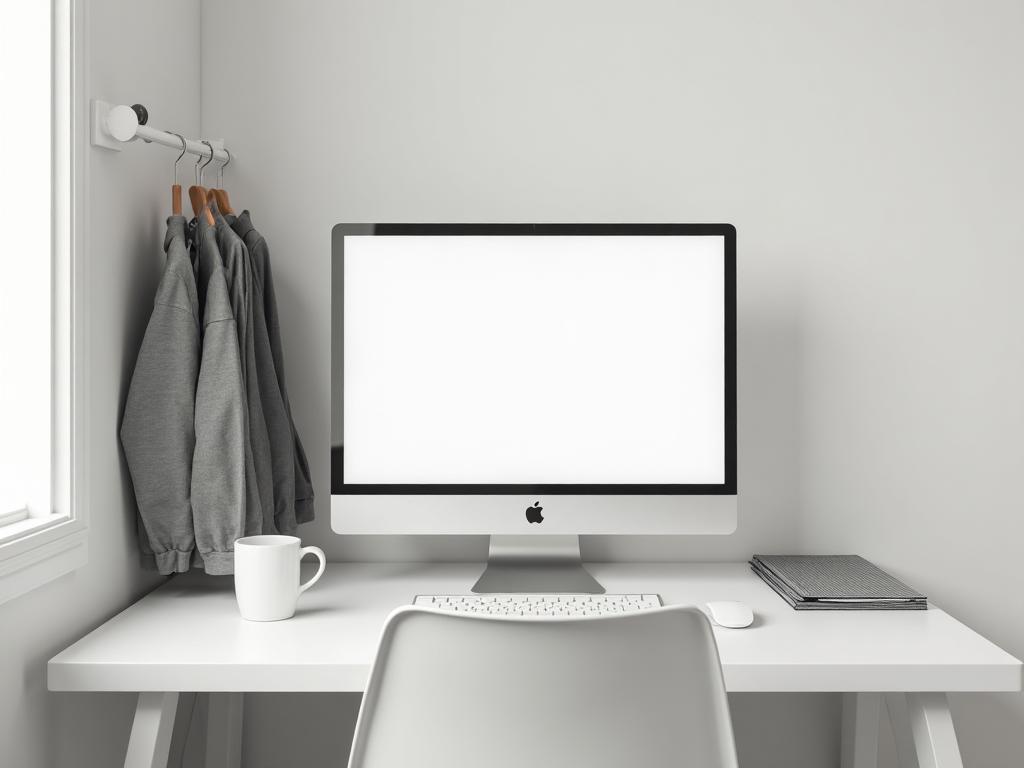
Normcore aesthetic — Calm & Wellbeing visual reference
Normcore
Visual referencesCalm & Wellbeing

Calm is not absence. It is the presence of considered stillness. Compositions that do not demand anything from the viewer. Palettes that recede rather than advance. Typography that does not raise its voice. The challenge with calm visuals is that they require restraint at every decision point: the image, the type, the spacing, the color. One wrong choice breaks the register entirely. When calm works, the viewer exhales without knowing why.

Visual styles that communicate this

Vector Minimalism

When to use this visual mood

  • Wellness and mental health brands where the product is relief
  • Sleep, recovery, and stress-reduction products
  • Meditation apps and mindfulness platforms
  • Plant-based and natural food brands
  • Home goods and soft furnishings
  • Sustainable fashion where pace and intention are part of the brand
  • Skincare brands positioning around ritual rather than transformation

What to avoid

  • High contrast or saturated accent colors that create visual tension
  • Typography that demands attention or feels urgent
  • Competitive or comparative brand messaging
  • Complex compositions with too many focal points
  • Before-and-after framing that implies something is broken

Industries and use cases

WellnessSkincareHome goodsFoodSustainable fashionMental healthSleep technology

Related moods

Luxury & PrestigeAuthenticity & Craft

About this mood

What visual style communicates calm & wellbeing?
Calm is not absence. It is the presence of considered stillness. Compositions that do not demand anything from the viewer. Palettes that recede rather than advance. Typography that does not raise its voice. The challenge with calm visuals is that they require restraint at every decision point: the image, the type, the spacing, the color. One wrong choice breaks the register entirely. When calm works, the viewer exhales without knowing why. The visual styles that communicate calm & wellbeing are: Wabi-Sabi, Cottagecore, Normcore, Liminal Space, Vector Minimalism.
When should I use a calm & wellbeing aesthetic?
Use a calm & wellbeing visual aesthetic for: Wellness and mental health brands where the product is relief; Sleep, recovery, and stress-reduction products; Meditation apps and mindfulness platforms; Plant-based and natural food brands; Home goods and soft furnishings; Sustainable fashion where pace and intention are part of the brand; Skincare brands positioning around ritual rather than transformation.
What industries use calm & wellbeing visual design?
Calm & Wellbeing visual aesthetics work best in: Wellness, Skincare, Home goods, Food, Sustainable fashion, Mental health, Sleep technology.
What should I avoid when designing for a calm & wellbeing mood?
When designing for calm & wellbeing, avoid: High contrast or saturated accent colors that create visual tension; Typography that demands attention or feels urgent; Competitive or comparative brand messaging; Complex compositions with too many focal points; Before-and-after framing that implies something is broken.

Generate visuals in the calm register

Elio reads your visual references and generates in your exact aesthetic. Drop in images that carry the right mood and it extracts the DNA automatically.

Join the waitlist