Adaptive Reuse

The highest form of sustainability is using what already exists — Tate Modern read a decommissioned Bankside power station as a turbine hall gallery, the High Line saw an elevated freight rail as a park, and Lacaton & Vassal transformed Grand Parc housing without moving a single tenant.

Compare Adaptive Reuse with another style →
Record020-AA
AestheticAdaptive Reuse
ClassNostalgic / Analog
StatusINGESTING
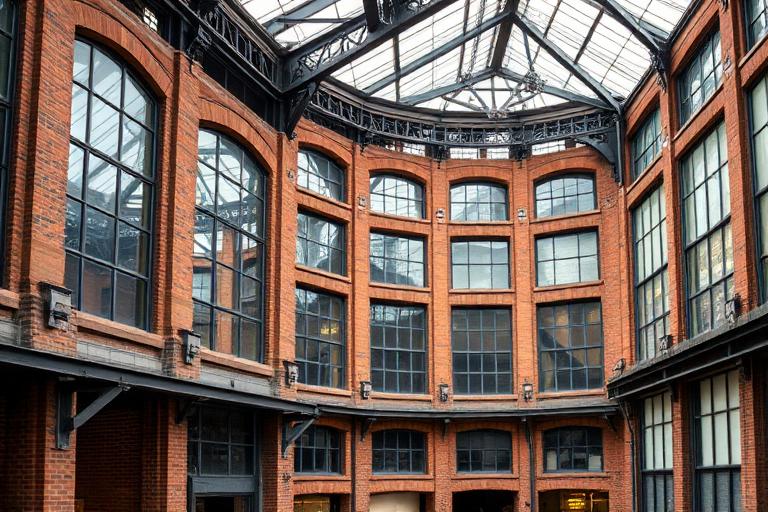
Example of the Adaptive Reuse aesthetic
Archive platearch adaptive reuse

Source document

Registrar's index cards on the platen glass — captured by the scanner

Elio Archive — Registrar's OfficeAdaptive ReuseFILE 020-AA
When to use it
  • Brand identity for projects explicitly converting existing structures
  • Developer brand positioning heritage and sustainability as twin values
  • Cultural institution brand born from a landmark building conversion
  • Hospitality brand where the building's history is the primary guest narrative
Perfect for
  • Heritage developers converting industrial and civic buildings to residential or cultural use
  • Hotels and boutique hospitality brands in historically significant conversions
  • Cultural institutions, galleries, and museums in repurposed buildings
  • Urban regeneration projects and civic development authorities
What it looks like
  • Herzog & de Meuron — Tate Modern (Bankside Power Station), London (2000)
  • Diller Scofidio + Renfro — High Line, New York (2009–2014)
  • Lacaton & Vassal — Transformation of Grand Parc Housing, Bordeaux (2017)
  • Studio Gang — Solstice on the Park, Chicago (2018)

Aesthetic profile

8-channel console — dominant channels taped & circled by the registrar

Attribute Console — 020-AA 8 CH ACTIVEFIG. 1
CH01Minimal
MaximalR·20
CH02Analog
DigitalL·30
CH03Restrained
ExpressiveR·20
CH04Cool
WarmR·30
CH05Futuristic
NostalgicR·50
CH06Structured
ChaoticR·10
CH07Dark
LightCTR·0
CH08Organic
GeometricR·10

strongest channels circled — leans nostalgic, analog, warm ✦

Profile card

Your aesthetic passport — share the fingerprint

Aesthetic Profile
Adaptive Reuse
Contemporary
1970–present
MaximalAnalogExpressiveWarmNostalgicChaoticLightGeometric
NostalgicAnalogWarm4 materials
eliosignal.com/styles/arch-adaptive-reuse

Material assembly

The style's primary materials, assembled bottom-up

Tap a stratum for material detail · Full catalog

Place in history

Contemporary · 1970–present — tap any style to travel

Mood Board

Sign in to generate

Sign in to generate a mood board

Sign in

Editorial Depth

Sign in to unlock

Historical Context
Key Practitioners
What to Avoid

Sign in for editorial depth

Sign in

Cross-references

Industrial ArchitectureSustainable ArchitectureContextualismContemporary Architecture

About this aesthetic

What is the Adaptive Reuse aesthetic?
The highest form of sustainability is using what already exists — Tate Modern read a decommissioned Bankside power station as a turbine hall gallery, the High Line saw an elevated freight rail as a park, and Lacaton & Vassal transformed Grand Parc housing without moving a single tenant.
When should I use the Adaptive Reuse aesthetic?
Use it for: Brand identity for projects explicitly converting existing structures; Developer brand positioning heritage and sustainability as twin values; Cultural institution brand born from a landmark building conversion; Hospitality brand where the building's history is the primary guest narrative.
What is the Adaptive Reuse style perfect for?
Perfect for Heritage developers converting industrial and civic buildings to residential or cultural use, Hotels and boutique hospitality brands in historically significant conversions, Cultural institutions, galleries, and museums in repurposed buildings, Urban regeneration projects and civic development authorities.
What does the Adaptive Reuse aesthetic look like?
Visuals typically feature: Herzog & de Meuron — Tate Modern (Bankside Power Station), London (2000); Diller Scofidio + Renfro — High Line, New York (2009–2014); Lacaton & Vassal — Transformation of Grand Parc Housing, Bordeaux (2017); Studio Gang — Solstice on the Park, Chicago (2018).

Build with the adaptive reuse aesthetic

Elio turns aesthetic references into on-brand visuals. Generate, compose and publish from one studio.

Join the waitlist