Bauhaus Architecture

Gropius's school that lasted fourteen years and changed everything — where painting, weaving, typography, and building shared a single workshop belief that honest design could reform industrial society.

Compare Bauhaus Architecture with another style →
Record020-AB
AestheticBauhaus Architecture
ClassStructured / Geometric
StatusINGESTING
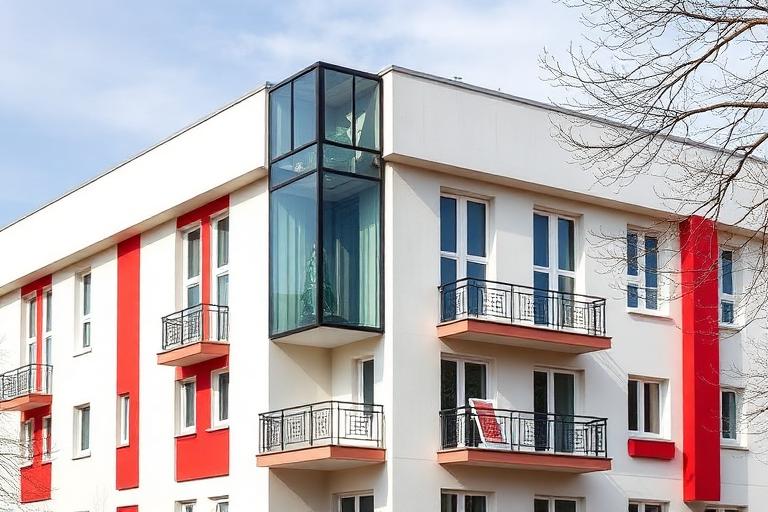
Example of the Bauhaus Architecture aesthetic
Archive platearch bauhaus

Source document

Registrar's index cards on the platen glass — captured by the scanner

Elio Archive — Registrar's OfficeBauhaus ArchitectureFILE 020-AB
When to use it
  • Design system or brand identity grounded in geometric rationalism
  • Educational or institutional identity that values craft and systems thinking
  • Product and industrial design branding with a problem-solving ethos
  • Campaign work that wants the authority of European design modernism
Perfect for
  • Design schools, universities, and educational platforms
  • Industrial product and furniture brands with a functional design heritage
  • Tech companies wanting Modernist credentials without corporate coldness
  • Architecture and design publications anchored in history and theory
What it looks like
  • Walter Gropius — Bauhaus Dessau building (1926)
  • Marcel Breuer — Wassily Chair and Cesca Chair (1925–1928)
  • Ludwig Mies van der Rohe — Barcelona Pavilion (1929)
  • Herbert Bayer — Bauhaus typeface and Universal alphabet (1925)

Aesthetic profile

8-channel console — dominant channels taped & circled by the registrar

Attribute Console — 020-AB 8 CH ACTIVEFIG. 1
CH01Minimal
MaximalL·60
CH02Analog
DigitalL·30
CH03Restrained
ExpressiveL·50
CH04Cool
WarmL·20
CH05Futuristic
NostalgicR·40
CH06Structured
ChaoticL·90
CH07Dark
LightR·20
CH08Organic
GeometricR·90

strongest channels circled — leans structured, geometric, minimal ✦

Profile card

Your aesthetic passport — share the fingerprint

Aesthetic Profile
Bauhaus Architecture
Early Modern
1919–1933
MinimalAnalogRestrainedCoolNostalgicStructuredLightGeometric
StructuredGeometricMinimal4 materials
eliosignal.com/styles/arch-bauhaus

Material assembly

The style's primary materials, assembled bottom-up

Tap a stratum for material detail · Full catalog

Place in history

Early Modern · 1919–1933 — tap any style to travel

Mood Board

Sign in to generate

Sign in to generate a mood board

Sign in

Editorial Depth

Sign in to unlock

Historical Context
Key Practitioners
What to Avoid

Sign in for editorial depth

Sign in

Cross-references

Architectural ModernismDe StijlConstructivismBauhaus

About this aesthetic

What is the Bauhaus Architecture aesthetic?
Gropius's school that lasted fourteen years and changed everything — where painting, weaving, typography, and building shared a single workshop belief that honest design could reform industrial society.
When should I use the Bauhaus Architecture aesthetic?
Use it for: Design system or brand identity grounded in geometric rationalism; Educational or institutional identity that values craft and systems thinking; Product and industrial design branding with a problem-solving ethos; Campaign work that wants the authority of European design modernism.
What is the Bauhaus Architecture style perfect for?
Perfect for Design schools, universities, and educational platforms, Industrial product and furniture brands with a functional design heritage, Tech companies wanting Modernist credentials without corporate coldness, Architecture and design publications anchored in history and theory.
What does the Bauhaus Architecture aesthetic look like?
Visuals typically feature: Walter Gropius — Bauhaus Dessau building (1926); Marcel Breuer — Wassily Chair and Cesca Chair (1925–1928); Ludwig Mies van der Rohe — Barcelona Pavilion (1929); Herbert Bayer — Bauhaus typeface and Universal alphabet (1925).

Build with the bauhaus architecture aesthetic

Elio turns aesthetic references into on-brand visuals. Generate, compose and publish from one studio.

Join the waitlist